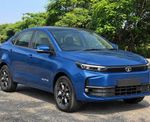
Mahindra Vision S: Explore Guide, Features, Design Insights, Facts and Helpful Resources
The Mahindra Vision S is a concept vehicle developed to showcase future automotive design, electric mobility technologies, and advanced vehicle engineering ideas. Concept vehicles are often created by automobile manufacturers to present new design directions, innovative technologies, and mobility solutions that may influence future production models.
As the automotive industry continues to evolve toward electrification and connected transportation, concept vehicles such as the Vision S provide insights into how manufacturers are preparing for changing consumer expectations, environmental goals, and technological advancements.
The Vision S reflects broader trends in electric vehicles (EVs), digital connectivity, sustainable transportation, battery innovation, and intelligent driving systems. These concepts help industry observers understand potential developments in future SUV platforms and mobility ecosystems.
Why the Mahindra Vision S Matters
The automotive sector is undergoing one of the most significant transformations in its history. Advances in battery technology, software integration, and vehicle safety systems are reshaping transportation across many regions.
The Mahindra Vision S is important because it highlights several developments that influence modern mobility:
- Electrification of vehicle platforms
- Integration of connected vehicle technologies
- Focus on sustainable transportation solutions
- Enhanced digital user experiences
- Advanced vehicle safety systems
- Future-ready automotive architecture
Key Benefits of Modern EV Concepts
| Area | Importance |
|---|---|
| Battery Technology | Supports longer driving efficiency and energy management |
| Connected Systems | Enables smart vehicle communication |
| Safety Technologies | Improves driver awareness and accident prevention |
| Sustainability | Supports reduced transportation emissions |
| Digital Experience | Enhances convenience and personalization |
| Vehicle Design | Improves aerodynamics and efficiency |
The Vision S concept may also influence engineers, designers, technology developers, policymakers, transportation researchers, and automotive enthusiasts who study future mobility trends.
Design Insights and Notable Features
Although concept vehicles often evolve before reaching production stages, they typically reveal important design philosophies.
Exterior Design Approach
Modern electric SUVs increasingly emphasize:
- Aerodynamic body structures
- Distinctive lighting signatures
- Minimalist design language
- Integrated sensor systems
- Sustainable material applications
- Optimized airflow management
The Vision S concept appears aligned with these industry-wide design objectives, focusing on efficiency, technology integration, and visual identity.
Interior Technology Trends
Future vehicle cabins are increasingly becoming digital environments rather than purely mechanical spaces.
Common technologies associated with advanced concept vehicles include:
- Large digital displays
- Connected infotainment systems
- Artificial intelligence integration
- Voice-enabled controls
- Advanced navigation systems
- Over-the-air software updates
- Driver assistance interfaces
Emerging Automotive Technology Ecosystem
| Technology Category | Purpose |
| Connected Car Systems | Vehicle communication and data sharing |
| Advanced Sensors | Environmental monitoring |
| Battery Management Systems | Energy optimization |
| Digital Cockpit Platforms | Enhanced driver interaction |
| Vehicle Software Platforms | Feature updates and diagnostics |
| ADAS Technologies | Driver support and safety |
These technologies are becoming increasingly important as vehicles transition from mechanical products to software-enabled mobility platforms.
Recent Updates and Industry Developments
During 2025 and 2026, the global electric vehicle industry experienced several notable developments that influence concept vehicles such as the Vision S.
Growth of Electric Mobility
Recent trends include:
- Expansion of EV infrastructure
- Increased battery research investments
- Improvements in charging technologies
- Growth of connected vehicle ecosystems
- Greater focus on sustainable manufacturing
Battery Innovation
Battery technology remains a central focus for vehicle manufacturers.
Recent developments include:
- Higher energy-density battery cells
- Improved thermal management systems
- Enhanced battery monitoring software
- Research into next-generation battery chemistries
- Faster charging capabilities
Software-Defined Vehicles
A major automotive trend during the past year has been the rise of software-defined vehicles.
Key characteristics include:
- Continuous software improvements
- Remote diagnostics
- Enhanced cybersecurity measures
- Personalized user experiences
- Cloud-based vehicle services
Industry Trend Overview
Automotive Industry Direction (2026)

Electrification      ████████████████
Connected Mobility   ███████████████
ADAS Technology      ██████████████
Battery Innovation   ███████████████
Sustainability       ██████████████
Digital Services     ███████████████
The Vision S concept fits within these broader developments by emphasizing innovation, connectivity, and future transportation technologies.
Regulations, Policies, and Industry Standards
Concept vehicles and future electric mobility platforms are influenced by numerous regulations and standards.
Vehicle Safety Regulations
Automotive manufacturers must consider:
- Crash safety requirements
- Occupant protection standards
- Electronic system safety protocols
- Vehicle cybersecurity frameworks
- Autonomous system evaluation guidelines
Environmental Standards
Governments increasingly support cleaner transportation through:
- Emissions reduction targets
- Energy efficiency frameworks
- Sustainable manufacturing initiatives
- Battery recycling programs
- Environmental compliance standards
Data Privacy and Connected Vehicles
Modern connected vehicles generate significant amounts of operational data.
Relevant regulatory considerations include:
- Data protection requirements
- Cybersecurity compliance
- User consent frameworks
- Software update standards
- Connected mobility governance
Battery and Sustainability Policies
Many transportation authorities now encourage:
- Responsible battery lifecycle management
- Recycling initiatives
- Resource efficiency programs
- Sustainable supply chain practices
- Renewable energy integration
These policies influence how future electric vehicle concepts are designed and developed.
Helpful Tools and Resources
Several resources help individuals understand electric vehicle technologies and future mobility trends.
Automotive Research Resources
- Vehicle technology publications
- Transportation research journals
- Automotive engineering databases
- Industry trend reports
- Mobility innovation studies
EV Planning Tools
- Range estimation calculators
- Charging station locators
- Battery performance simulators
- Energy consumption calculators
- EV comparison platforms
Technology Learning Resources
| Resource Type | Purpose |
| EV Technology Guides | Understanding electric vehicles |
| Battery Learning Platforms | Battery science education |
| Automotive Engineering Resources | Technical knowledge development |
| Mobility Research Reports | Industry trend analysis |
| Transportation Data Portals | Market and policy information |
Useful Categories of Digital Tools
- Vehicle efficiency calculators
- Carbon footprint estimators
- Transportation analytics platforms
- EV infrastructure maps
- Automotive design software
- Battery performance tools
These resources help consumers, researchers, students, and industry professionals better understand emerging transportation technologies.
Frequently Asked Questions
What is the Mahindra Vision S?
The Mahindra Vision S is a concept vehicle that demonstrates future design ideas, electric mobility technologies, and advanced automotive innovations intended to showcase potential future developments.
Is the Vision S a production vehicle?
Concept vehicles are primarily created to present future design and technology directions. Features shown in concept models may change before any production consideration.
Why are concept vehicles important?
Concept vehicles allow manufacturers to test innovative ideas, explore future mobility solutions, and demonstrate emerging technologies that may influence future vehicle development.
What technologies are commonly associated with modern EV concepts?
Modern EV concepts often include connected vehicle systems, advanced driver assistance technologies, battery management systems, digital cockpit interfaces, artificial intelligence features, and software-based vehicle platforms.
How does the Vision S reflect automotive industry trends?
The Vision S aligns with major industry trends such as electrification, sustainability, connected mobility, advanced safety technologies, and software-defined vehicle architecture.
Conclusion
The Mahindra Vision S represents a forward-looking exploration of automotive innovation, electric mobility, and connected transportation technologies. As the automotive industry continues advancing toward software-enabled vehicles, intelligent mobility ecosystems, and sustainable transportation solutions, concept vehicles play an important role in demonstrating future possibilities.
The Vision S highlights key themes shaping the modern automotive landscape, including battery technology, digital connectivity, vehicle safety systems, and sustainable design principles. While concept vehicles often evolve over time, they provide valuable insights into the direction of future transportation and the technologies likely to influence next-generation mobility experiences.
For automotive enthusiasts, researchers, technology professionals, and transportation observers, the Mahindra Vision S serves as a useful example of how innovation, sustainability, and digital transformation continue to reshape the future of mobility.