Range Rover Autobiography Electric: Explore Features, Specifications, Guide and Key Insights
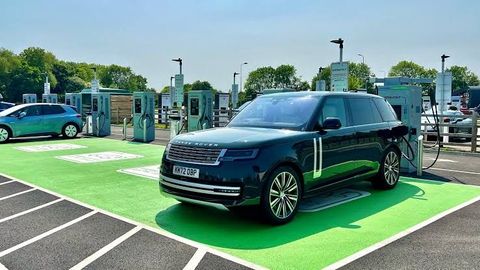
The Range Rover Autobiography Electric represents the move toward fully electric luxury SUVs from Land Rover's Range Rover brand. It combines the established Range Rover focus on comfort, premium materials, advanced technology, and all-terrain capability with an electric powertrain.
Electric vehicles use rechargeable battery packs and electric motors instead of conventional petrol or diesel engines. This design can reduce tailpipe emissions, provide quiet operation, and deliver immediate motor response. In a large luxury SUV, the engineering challenge is to combine these characteristics with passenger comfort, long-distance usability, and the ability to travel across different types of terrain.
The Autobiography name is associated with a high level of equipment and refinement within the Range Rover lineup. The electric model follows the broader automotive industry's transition toward electrification while retaining the design priorities associated with luxury sport utility vehicles.
Exact features, specifications, equipment, and availability depend on the model year and market. Therefore, anticipated features should be distinguished from specifications confirmed by the manufacturer.
Why the Range Rover Autobiography Electric Matters
Luxury electric SUVs demonstrate how electric mobility is expanding beyond compact cars and everyday urban vehicles. Larger vehicles require substantial energy capacity, careful thermal management, and efficient engineering to balance performance with driving range.
The Range Rover Autobiography Electric is relevant to several areas of the automotive market:
Luxury mobility: Combining premium cabin comfort with electric propulsion.
Vehicle technology: Integrating digital displays, connected systems, and driver assistance.
Sustainable transportation: Eliminating tailpipe emissions during electric driving.
Off-road engineering: Applying electric motor control to traction management.
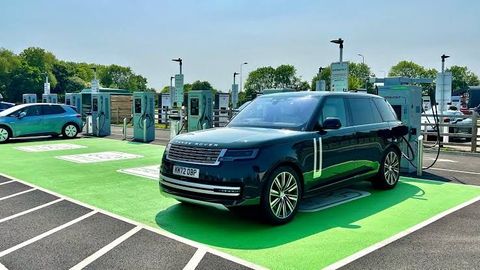
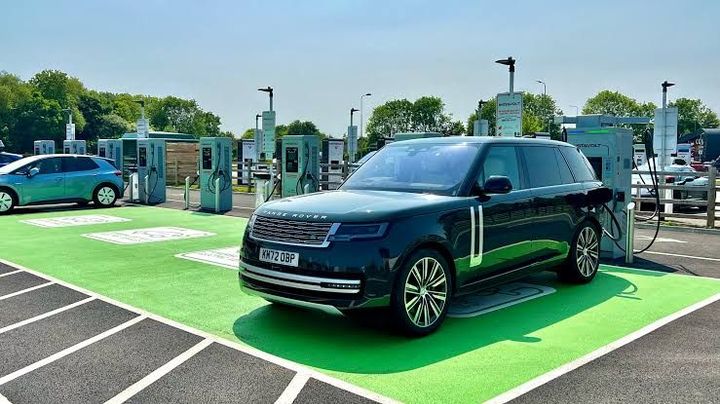
Charging infrastructure: Highlighting the importance of reliable charging for larger vehicles.
The vehicle also illustrates the changing expectations of luxury SUV users. Buyers increasingly consider not only interior materials and performance but also battery range, charging speed, software features, safety technology, and environmental impact.
| Area | Why It Matters |
|---|---|
| Battery capacity | Influences potential driving range |
| Charging capability | Affects journey planning |
| Electric powertrain | Provides quiet, responsive acceleration |
| Cabin technology | Supports comfort and connectivity |
| All-wheel drive | Helps manage traction |
| Energy efficiency | Influences electricity consumption |
Key Features and Technology
Electric powertrain and performance
The Range Rover Electric is designed around battery-electric propulsion. Electric motors can deliver torque rapidly, which can support smooth acceleration and controlled movement at low speeds. Depending on the final configuration, an electric Range Rover may use multiple motors to provide all-wheel drive.
Electric powertrains also have fewer conventional engine components, such as exhaust systems and engine oil circuits. However, they still require maintenance of tyres, brakes, suspension, cooling systems, and high-voltage electrical components.
Battery and thermal management
Battery performance depends on temperature, driving style, terrain, vehicle load, and climate control use. A sophisticated thermal management system helps maintain suitable operating temperatures for the battery and power electronics.
Battery technology is especially important in a large SUV because vehicle weight and aerodynamic resistance influence energy consumption. Actual driving range can differ from laboratory figures, particularly during high-speed travel, in cold weather, or when carrying heavy loads.
Luxury interior and digital connectivity
The Autobiography approach emphasizes a comfortable cabin, refined materials, and a carefully designed passenger environment. Depending on the confirmed specification, equipment may include digital displays, connected infotainment, navigation, smartphone integration, and configurable cabin settings.
Potential benefits of connected technology include:
Access to navigation and journey information.
Monitoring of battery charge and estimated range.
Locating compatible public charging stations.
Remote access to selected vehicle functions.
Software improvements where supported.
Safety and driver assistance
Modern luxury vehicles can incorporate several electronic systems designed to support safer driving. Depending on market and equipment, these may include adaptive cruise control, emergency braking assistance, lane monitoring, parking cameras, blind-spot monitoring, and driver attention alerts.
These systems assist the driver but do not replace attentive driving. Their availability and functionality must be verified against the specific vehicle configuration.
All-terrain capability
Range Rover vehicles are associated with all-wheel drive and terrain-management technology. An electric version can use electronic motor control to manage torque distribution and traction. However, capability depends on ground clearance, tyres, water-depth limits, vehicle weight, and the exact configuration. Electric propulsion alone does not guarantee superior performance on every surface.
Specifications and Charging Overview
Range Rover's official information for the electric model provides a useful starting point for understanding its performance and charging capabilities. The specifications below refer to the Range Rover Electric, rather than a separately confirmed Autobiography Electric variant. <Cite refs={["turn434586search1","turn434586search9"]}/>
| Specification | Manufacturer-published information |
|---|---|
| Powertrain | Fully electric, dual-motor |
| Maximum power | Up to 550 PS |
| Maximum torque | 850 Nm |
| Battery architecture | 800-volt |
| Maximum claimed range | Up to 600 km on the India-facing website |
| Rapid DC charging | 10–80% in approximately 22 minutes under specified conditions |
| Drive configuration | All-wheel drive |
| Maximum towing capacity | Up to 2,500 kg |
These figures are manufacturer-published claims and depend on the applicable testing standard, vehicle configuration, and charging conditions. They should not be interpreted as guaranteed real-world results. <Cite refs={["turn434586search1","turn434586search6"]}/>
Recent Updates and Automotive Trends
Electric luxury SUVs have continued to develop throughout 2025 and 2026, with manufacturers focusing on battery performance, charging speed, software integration, and vehicle efficiency.
September 2, 2026: Range Rover Electric announcement
Range Rover announced the fully electric model on September 2, 2026. The announcement highlighted twin 260 kW motors, up to 550 PS, 850 Nm of torque, an 800-volt electrical architecture, and a claimed range of up to 372 miles under the WLTP testing standard. The manufacturer also highlighted its battery thermal management and all-terrain traction technology. <Cite refs={["turn434586search6","turn434586search9"]}/>
Battery and charging developments
Higher-voltage architectures can support faster DC charging when the vehicle and charging station are compatible. Battery thermal management also helps maintain suitable operating temperatures, which is important for charging performance and battery longevity.
Software-driven vehicle technology
Modern electric vehicles increasingly integrate connected navigation, charging information, remote vehicle monitoring, and software updates. These functions can make trip planning easier, although their availability depends on the model, region, and connected services supported.
Greater attention to real-world efficiency
Electric SUV comparisons increasingly consider practical driving range, charging access, electricity consumption, tyre performance, and battery behaviour in different climates. These factors are particularly relevant for large vehicles used for long-distance travel.
Laws and Policies Affecting Electric SUVs in India
Electric vehicles in India are subject to national motor vehicle regulations, safety requirements, charging standards, and applicable state-level policies. The relevant requirements for a particular Range Rover model depend on its certification and registration status.
Vehicle certification and safety
India uses the Central Motor Vehicles Rules and applicable Automotive Industry Standards to regulate vehicle compliance. For electric powertrains, relevant standards include AIS-038 for construction and functional safety, AIS-039 for measuring electrical energy consumption, and AIS-040 for measuring electric powertrain range. The Ministry of Heavy Industries outlined these standards in a government announcement dated August 1, 2025. <Cite refs={["turn434586search14"]}/>
Charging infrastructure
The Central Electricity Authority publishes guidance and standards concerning electric vehicle charging infrastructure and electrical safety. Home charging installations should use appropriately rated equipment and comply with applicable electrical requirements. Public charging stations must also support compatible charging standards. <Cite refs={["turn434586search5","turn434586search15"]}/>
Electric vehicle incentives
Central and state policies may support electric mobility through charging infrastructure initiatives, vehicle programmes, or applicable registration and taxation provisions. Eligibility depends on the programme, vehicle category, location, and prevailing rules. Buyers should verify current requirements rather than assume that every luxury electric SUV qualifies for a particular incentive.
Insurance and registration
Electric vehicles require appropriate motor insurance and registration under applicable Indian rules. Insurance coverage, battery protection, exclusions, and repair conditions vary by policy. Registration and tax treatment should be confirmed with the relevant transport authority.
Helpful Tools and Resources
The following resources can help readers understand electric vehicle ownership, charging, and specifications.
Official Range Rover website: Review manufacturer specifications, model availability, charging information, and confirmed equipment. Visit Range Rover India.
Range Rover electrification guide: Explore battery-electric technology, charging times, estimated range, and vehicle capabilities. Visit the official electrification guide.
EV charging station locators: Identify public charging points, compatible connectors, and stations along planned routes.
EV range calculators: Estimate journey requirements using distance, driving conditions, battery consumption, and charging stops.
Vehicle loan calculators: Model hypothetical monthly payments using principal, interest rate, and loan duration.
Automotive insurance comparison tools: Review policy coverage, deductibles, battery protection, and exclusions.
Government regulatory resources: Consult the Central Electricity Authority for charging standards and the Press Information Bureau for official policy announcements.
When comparing vehicles, use the same testing standard for range figures and check whether specifications apply to the Indian market or another region.
Frequently Asked Questions
Is the Range Rover Autobiography Electric a confirmed model name?
The manufacturer's electric vehicle is identified as the Range Rover Electric. Autobiography is an established Range Rover trim designation, but buyers should verify whether that exact trim name and specification are officially available in their market. <Cite refs={["turn434586search1","turn434586search8"]}/>
What is the expected driving range of the Range Rover Electric?
The India-facing manufacturer website lists a range of up to 600 km, while other market specifications use different testing standards. Actual range depends on driving speed, temperature, terrain, passenger load, and climate control use. <Cite refs={["turn434586search1","turn434586search6"]}/>
How long does charging take?
The manufacturer states that charging from 10% to 80% can take approximately 22 minutes with a compatible 350 kW rapid DC charger under specified conditions. Home charging takes longer and depends on the charger's power output and the electrical installation. <Cite refs={["turn434586search1","turn434586search9"]}/>
Is an electric Range Rover suitable for off-road driving?
The model is engineered with all-wheel drive and electronic traction management. Its suitability for particular terrain depends on ground clearance, tyres, water depth, route conditions, and the manufacturer's operating guidance. Drivers should follow the vehicle's stated limits.
What should buyers evaluate before choosing a luxury electric SUV?
Important considerations include verified specifications, real-world range, charging access, battery warranty terms, insurance coverage, cabin equipment, safety features, registration requirements, and the availability of compatible charging infrastructure.
Conclusion
The Range Rover Electric represents an important development in luxury SUV engineering, combining electric propulsion with premium cabin design, advanced digital technology, and all-terrain capability. Its dual-motor system, high-voltage battery architecture, and rapid-charging capabilities illustrate how manufacturers are adapting established vehicle platforms to electric mobility.
For readers in India, the most important considerations are verified local specifications, charging availability, vehicle certification, insurance coverage, and applicable registration rules. Manufacturer claims should always be interpreted in the context of their testing standards and real-world operating conditions.
As battery technology and charging infrastructure continue to evolve, electric luxury SUVs are likely to remain an important part of the wider transition toward more energy-efficient transportation.