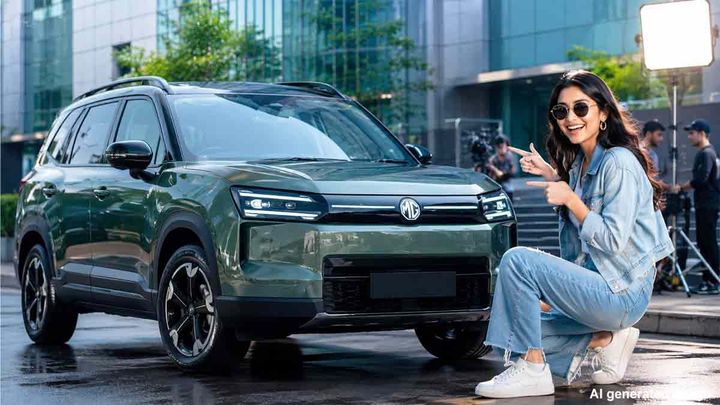
MG Hector Tomahawk Overview: Explore Guide, Insights, Tips, Facts and Key Information
The MG Hector Tomahawk is associated with the broader MG Hector lineup, a modern SUV platform known for combining advanced technology, connected mobility features, safety systems, and spacious design. The concept behind vehicles such as the Hector Tomahawk is to provide a technology-focused driving experience while meeting the evolving expectations of modern motorists.
In recent years, automotive manufacturers have increasingly emphasized digital connectivity, intelligent vehicle systems, and enhanced safety technologies. Vehicles within this category are designed to integrate features such as voice-enabled controls, infotainment systems, connected vehicle platforms, and driver assistance technologies.
The growing demand for smart transportation solutions has encouraged manufacturers to introduce SUVs that offer convenience, comfort, and digital integration. As a result, vehicles like the MG Hector Tomahawk attract attention from individuals interested in modern automotive innovation.
Key Characteristics Often Associated with Modern Connected SUVs
| Feature Area | Purpose |
| Connected Technology | Enables communication between vehicle systems and mobile applications |
| Safety Systems | Helps improve driver awareness and passenger protection |
| Infotainment Features | Supports navigation, entertainment, and communication |
| Smart Diagnostics | Assists with vehicle health monitoring |
| Driver Assistance Technologies | Helps support safer driving conditions |
Why the MG Hector Tomahawk Matters Today
The automotive sector is undergoing a significant transformation driven by digitalization, electrification, and increased safety expectations. Modern SUVs are no longer evaluated solely on engine performance or design. Technology integration has become a major factor influencing consumer interest.
Several trends contribute to the relevance of vehicles such as the MG Hector Tomahawk:
- Growing interest in connected car ecosystems
- Increased focus on road safety technologies
- Demand for intelligent infotainment systems
- Expansion of telematics and remote diagnostics
- Rising adoption of advanced driver assistance technologies
These developments affect multiple groups including drivers, passengers, fleet operators, insurance providers, and transportation planners.
Problems Modern Vehicle Technology Helps Address
| Challenge | Technology-Based Solution |
| Driver distraction | Voice commands and hands-free controls |
| Vehicle maintenance uncertainty | Predictive diagnostics and alerts |
| Navigation difficulties | Integrated navigation systems |
| Emergency situations | Connected safety and assistance features |
| Traffic awareness | Real-time information systems |
Connected mobility solutions can also contribute to more informed driving decisions and improved vehicle management practices.
Automotive Technology Adoption Trend
Connected Vehicle Features Adoption

2021  ████████
2022  ███████████
2023  ██████████████
2024  █████████████████
2025  ███████████████████

Increasing Consumer Interest
The trend illustrates the broader automotive industry's movement toward software-enabled vehicles and intelligent transportation technologies.
Recent Updates and Industry Developments
The past year has witnessed continued advancements in the automotive sector, particularly in connected mobility, safety technology, and digital vehicle ecosystems.
During 2025 and 2026, several industry-wide developments have shaped expectations for SUVs and connected vehicles:
- Expansion of over-the-air software update capabilities
- Improved vehicle connectivity platforms
- Enhanced cybersecurity standards for connected vehicles
- Increased adoption of advanced driver assistance technologies
- Growing integration of artificial intelligence within infotainment systems
- Continued focus on vehicle data management and privacy controls
Manufacturers across the global automotive market have also prioritized improved user interfaces, smarter voice recognition systems, and better smartphone integration.
Trends Influencing Modern SUVs
| Trend | Impact |
| AI-Assisted Features | Improved user interaction |
| Connected Ecosystems | Better vehicle management |
| Enhanced Safety Technology | Increased driver support |
| Digital Instrumentation | Better information accessibility |
| Vehicle Cybersecurity | Stronger protection of vehicle data |
Industry analysts continue to monitor how software-defined vehicle architectures may influence future vehicle capabilities and ownership experiences.
Laws, Regulations, and Government Policies
Automotive technologies operate within regulatory frameworks designed to improve safety, environmental compliance, and consumer protection.
Several areas of regulation influence connected SUVs and advanced automotive systems.
Vehicle Safety Standards
Governments and transportation authorities establish safety requirements covering:
- Crash protection systems
- Seat belt regulations
- Airbag standards
- Lighting requirements
- Electronic stability systems
- Vehicle testing procedures
Compliance with these standards helps ensure that vehicles meet established safety benchmarks before entering the market.
Data Privacy and Connected Vehicles
Connected vehicles generate and process significant amounts of information. Regulatory authorities increasingly focus on:
- Consumer data protection
- Cybersecurity requirements
- Information-sharing transparency
- Digital privacy safeguards
As connected vehicle technologies expand, regulations continue evolving to address emerging privacy and security concerns.
Environmental Regulations
Modern SUVs are also affected by environmental policies related to:
- Emissions management
- Fuel efficiency standards
- Sustainable mobility initiatives
- Carbon reduction targets
Manufacturers adapt vehicle technologies to align with changing environmental expectations and regulatory requirements.
Insurance and Road Safety Programs
Road safety agencies often support initiatives involving:
- Driver awareness
- Accident prevention technologies
- Vehicle inspection standards
- Intelligent transportation systems
These programs contribute to broader efforts aimed at improving transportation safety.
Helpful Tools and Resources
Individuals researching connected SUVs and automotive technologies can benefit from several categories of resources.
Vehicle Research Platforms
Useful resources include:
- Manufacturer information portals
- Automotive specification databases
- Vehicle comparison platforms
- Safety rating organizations
- Consumer automotive publications
Digital Automotive Tools
| Tool Type | Purpose |
| Vehicle Comparison Tools | Compare specifications and features |
| Fuel Efficiency Calculators | Estimate consumption patterns |
| Insurance Estimators | Understand coverage considerations |
| Vehicle Maintenance Trackers | Monitor service schedules |
| Navigation Applications | Route planning and traffic awareness |
Connected Vehicle Applications
Many modern vehicles support applications that may assist with:
- Vehicle status monitoring
- Location tracking
- Maintenance reminders
- Trip information
- Remote vehicle functions
Safety Information Resources
Drivers often consult:
- Road safety authority websites
- Vehicle recall databases
- Driver education resources
- Transportation policy updates
These resources help users stay informed about evolving automotive standards and safety recommendations.
Frequently Asked Questions
What is the MG Hector Tomahawk?
The MG Hector Tomahawk is generally associated with the MG Hector SUV family and is often discussed in relation to advanced automotive technology, connected mobility features, safety systems, and modern SUV design.
Why are connected vehicle features becoming important?
Connected vehicle technologies improve convenience, vehicle monitoring, navigation, communication, and access to real-time information. They also support smarter vehicle management practices.
How do advanced driver assistance systems work?
Advanced driver assistance systems use sensors, cameras, software, and data processing technologies to help drivers maintain awareness and respond to certain driving conditions more effectively.
Are connected vehicles affected by privacy regulations?
Yes. Connected vehicles are increasingly subject to privacy and cybersecurity requirements that govern how vehicle data is collected, processed, stored, and protected.
What tools can help consumers research modern SUVs?
Vehicle comparison platforms, safety rating databases, automotive publications, maintenance tracking applications, and insurance estimation tools are commonly used resources for automotive research.
Conclusion
The MG Hector Tomahawk represents the broader shift toward technology-driven mobility solutions within the SUV segment. Modern vehicles increasingly combine connectivity, intelligent software systems, enhanced safety features, and digital user experiences to address changing transportation needs.
Recent developments in connected mobility, artificial intelligence, cybersecurity, and vehicle diagnostics continue shaping the automotive landscape. At the same time, evolving regulations related to safety, environmental standards, and data privacy influence how these technologies are developed and implemented.
Understanding connected vehicle technologies, regulatory considerations, and available research tools can help readers stay informed about ongoing changes in the automotive industry. As transportation continues to evolve, technology-focused SUVs are expected to remain an important part of future mobility discussions.